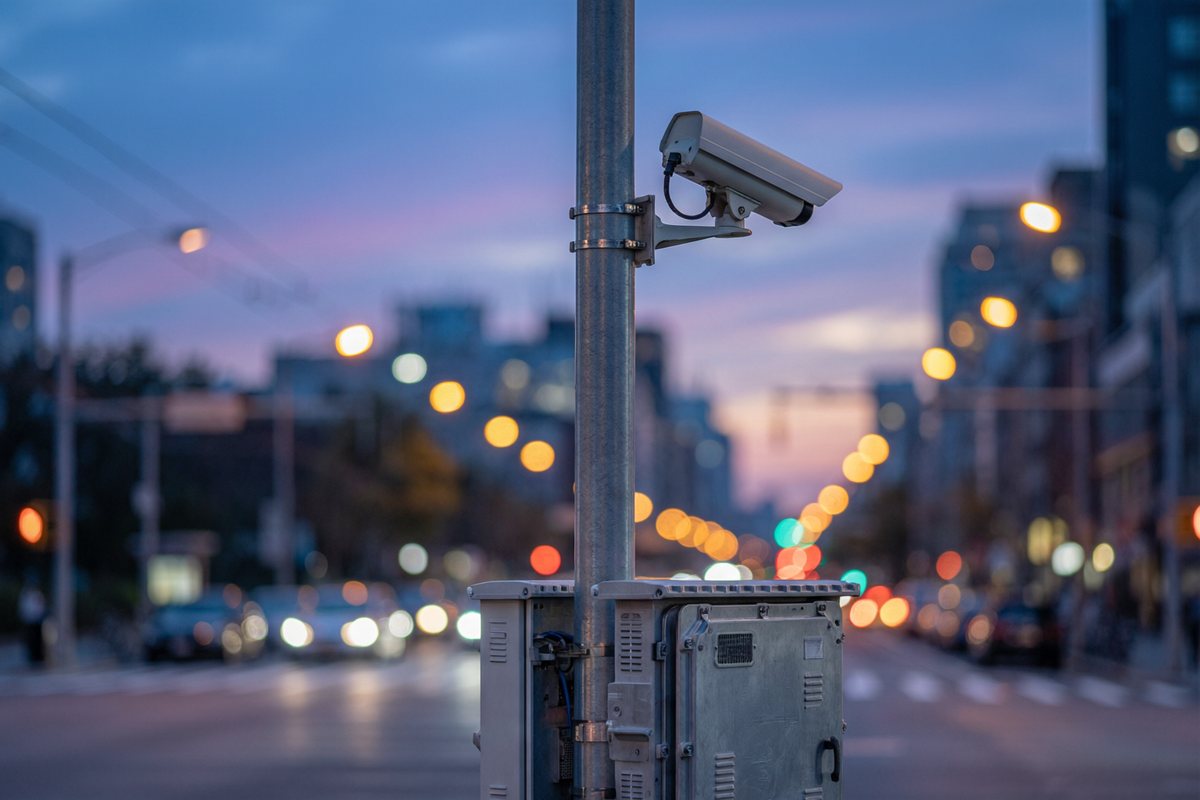
Project background
The third phase of the project covers 320 points on the urban main roads and back streets and alleys. It needs to be fully fiber optic based on the old copper cable network and be compatible with the standard definition simulation points built in the previous stage.
Needs and Challenges
- It is difficult to obtain power from points, and about 40% require remote POE power supply;
- Road optical cables are at risk of being dug out during construction and bitten by rats;
- The PTZ ball machine requires a stable reverse 485 control channel.
Implementation points
The newly built IP points use Gigabit single-mode single-fiber transceivers and POE models, and the dome cameras are powered by the first line; the analog stock points use 1 channel video + reverse 485 optical transceivers for backhaul, and the convergence equipment room uses 16/32 channels of rack-mounted video optical transceivers; the lower sections of roadside leads all use single-mode armored pigtails and are equipped with identification posts.
Deliverables
- All 320 points are online, and the image availability rate has increased from 97.2% to 99.9%;
- Reverse 485 control response is stable, and complaints about gimbal malfunction are reset to zero;
- The number of cable breaks throughout the year dropped from 23 in the previous year to 3;
- The variety of spare parts after unifying the equipment model has been reduced by half.